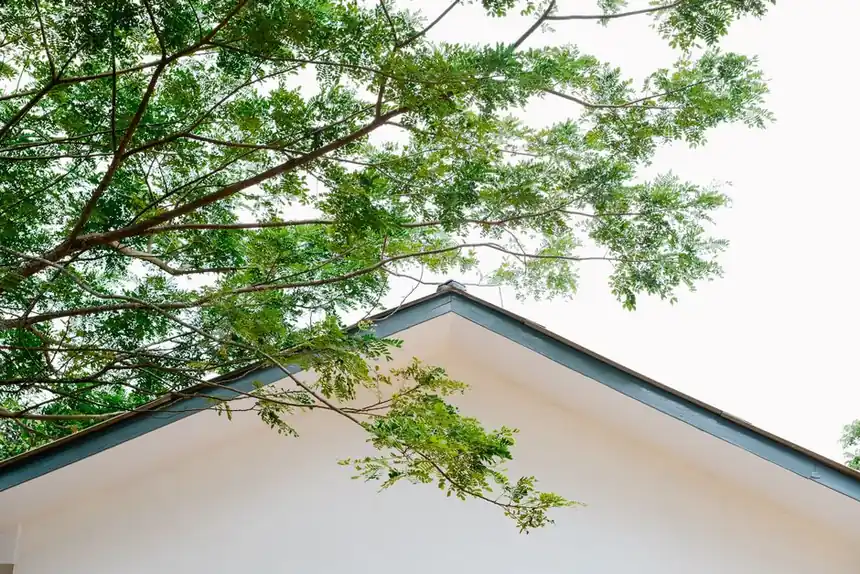
Tree coverage can significantly impact the health and functionality of your gutters in North Carolina. Understanding how trees affect gutters is crucial for maintaining your home's exterior. This article will delve into the specific ways tree coverage can lead to gutter issues, along with practical tips for preventing these problems and ensuring effective gutter maintenance.
Understanding Tree Coverage
In North Carolina, tree coverage varies greatly by region. Areas with dense forests or large yards often see more debris falling into gutters, such as leaves, twigs, and pine needles. This accumulation can lead to blockages that prevent water from flowing freely, potentially causing overflow and damage to your home.
Tree coverage not only contributes to the amount of debris but also influences the overall condition of your gutters. Trees that grow close to your home can cause physical damage to gutters through branches that scrape against them or heavy limbs that may fall during storms.
How Trees Affect Gutters in North Carolina
Understanding how trees affect gutters in North Carolina requires an examination of several factors:
- Debris Accumulation: Leaves and branches can clog gutters, leading to water overflow.
- Moisture Retention: Trees can create shaded areas that slow down drying, increasing the risk of mold and mildew.
- Physical Damage: Overhanging branches can scrape or puncture gutters, leading to leaks.
In regions like Charlotte or Raleigh, where tree coverage is prevalent, homeowners often face these challenges. For instance, during the fall, deciduous trees shed leaves that can quickly fill gutters, necessitating frequent cleaning.
Gutter Issues from Tree Coverage in North Carolina
Common gutter issues arising from tree coverage include:
- Clogs: Leaves and debris can block downspouts and gutters, causing water to overflow and potentially damage your roof or foundation.
- Rust and Corrosion: Standing water in clogged gutters can lead to rust, especially in metal gutters.
- Structural Damage: Overflowing gutters can erode soil and damage landscaping, as well as compromise the foundation of your home.
In areas like Greensboro, where heavy rains are common, the risk of these issues increases significantly. Homeowners must remain vigilant in maintaining their gutters to prevent costly repairs.
Preventing Gutter Problems from Trees in North Carolina
To mitigate the impact of tree coverage on your gutters, consider implementing the following strategies:
- Regular Cleaning: Schedule regular gutter maintenance in North Carolina to remove debris before it can accumulate.
- Trim Overhanging Branches: Keep tree branches trimmed back at least 10 feet from your home to minimize debris fall.
- Install Gutter Guards: Gutter guards can help prevent debris from entering your gutters while allowing water to flow freely.
These proactive measures can save you time and money in the long run. They also help maintain the aesthetic appeal of your home.
Gutter Maintenance for Tree Coverage in North Carolina
Effective gutter maintenance is essential for homeowners with significant tree coverage. Here are some best practices:
- Inspect Gutters Regularly: Check your gutters at least twice a year, especially after storms or heavy winds.
- Clear Debris: Remove leaves and twigs from gutters and downspouts to ensure proper drainage.
- Check for Damage: Look for signs of rust, leaks, or sagging gutters that may need repair.
By staying on top of maintenance, you can avoid many common gutter issues associated with tree coverage.
Common Mistakes to Avoid
When managing gutters in relation to tree coverage, be aware of these common mistakes:
- Neglecting Regular Cleaning: Failing to clean gutters regularly can lead to severe blockages and damage.
- Ignoring Tree Growth: Not monitoring the growth of nearby trees can result in unexpected debris accumulation.
- Using Improper Tools: Using the wrong tools for cleaning can damage your gutters.
Avoiding these pitfalls will help maintain the integrity of your gutters and your home.
When to Call a Professional
If you face persistent gutter issues or if your gutters are damaged, it may be time to call a professional. NC Gutter Doctors can provide expert assistance in maintaining and repairing your gutters, ensuring they function correctly despite tree coverage.
Frequently Asked Questions
How does tree coverage impact my gutters in North Carolina?
Tree coverage leads to increased debris accumulation in gutters, which can cause clogs and overflow. This can result in water damage to your home.
What should I do to protect my gutters from trees in North Carolina?
Regularly clean your gutters, trim overhanging branches, and consider installing gutter guards to minimize debris entry.
How can I prevent tree debris from clogging my gutters in North Carolina?
Implement routine maintenance, including cleaning and inspections, and consider installing protective measures like gutter guards.
When is the best time to clean my gutters?
It's best to clean your gutters in the spring and fall, especially after trees shed their leaves, to prevent blockages.
Can I clean my gutters myself?
While DIY cleaning is possible, hiring professionals ensures thorough cleaning and reduces the risk of injury or damage to your gutters.
Get help with Gutter Cleaning in North Carolina
If you need assistance with gutter cleaning in North Carolina, reach out to us. Our team is ready to help you maintain your gutters and protect your home.
Call us today at (980) 514-1313 for a consultation.